
15 Days from Insurance Approval to Move-In: A West Roxbury Case Study
15 days from insurance approval to move-in. A West Roxbury homeowner had ice dam buildup that caused interior water damage. Carrier approved the full scope (including supplements) on Feb 23. We delivered a fully restored home by March 6.
The setup: a typical Boston winter problem
Winter 2026 hit Greater Boston with the kind of accumulating snow + freeze-thaw cycle that creates ice dams. The West Roxbury homeowner noticed water staining on a ceiling — a small spot at first, then a wider bloom. The leak appeared to come from above.
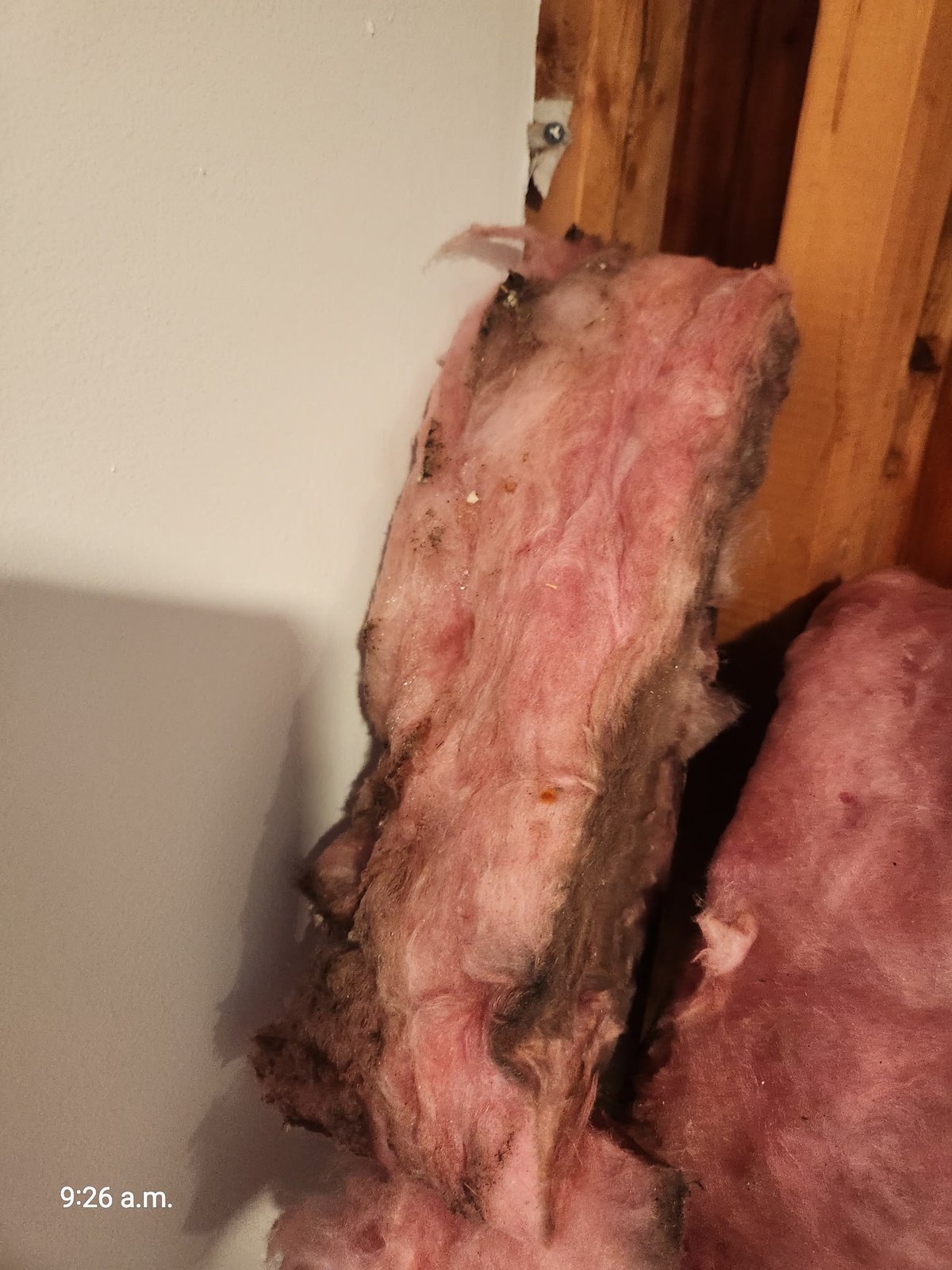
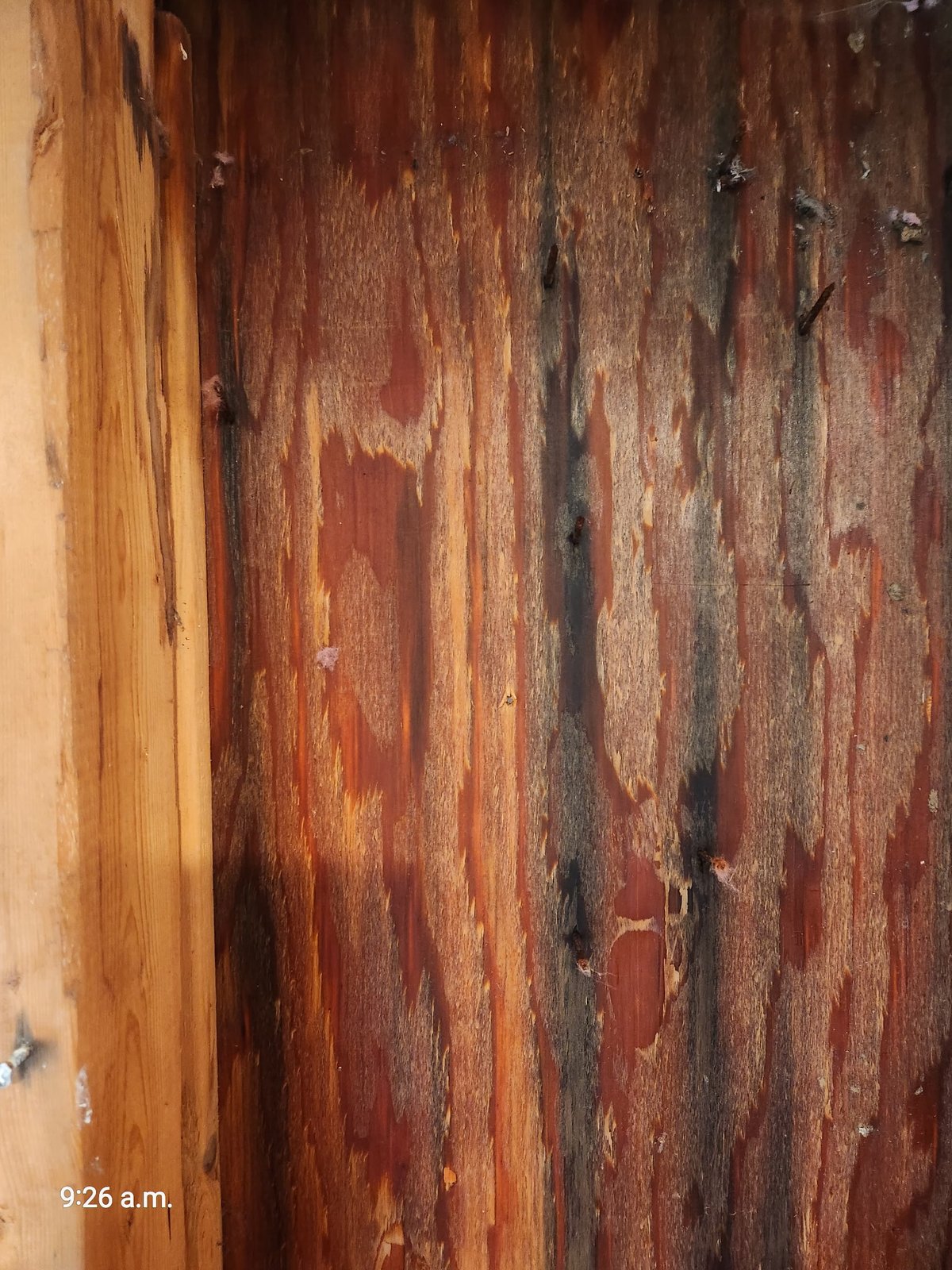
What they couldn't see: behind the drywall, water had been traveling through the wall cavity for days. Insulation was saturated. Framing was wet. Mold was already starting on structural lumber.
This is how most Boston water damage stories actually unfold — the visible damage is the smallest part of the problem.
Ice Dam Removal: Steam, Not Hacking
First step was stopping the source. We use steam removal — not chipping, hammering, or rooftop salt. Steam melts ice without damaging shingles, gutters, or flashing.
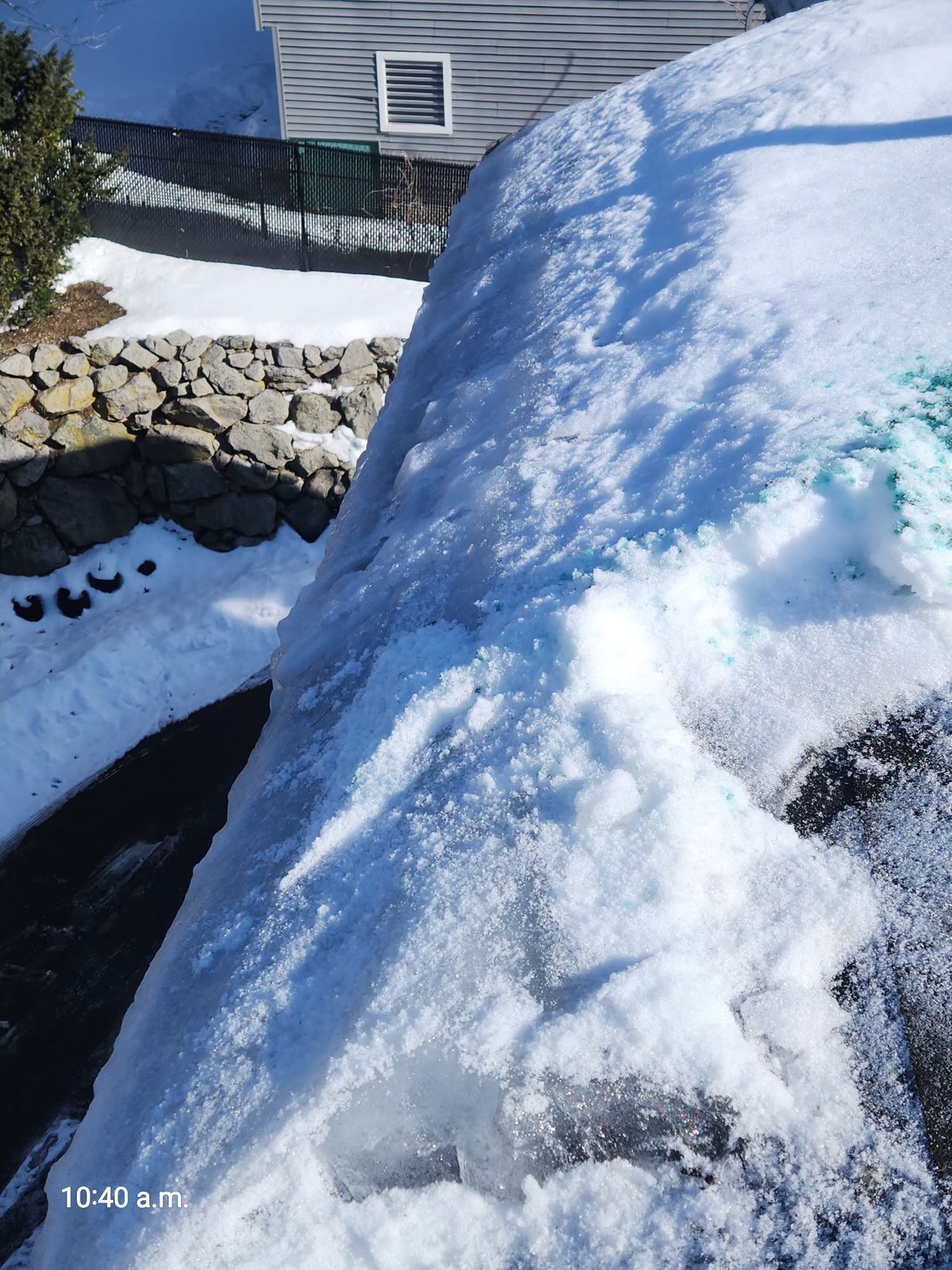 Removal in Progress
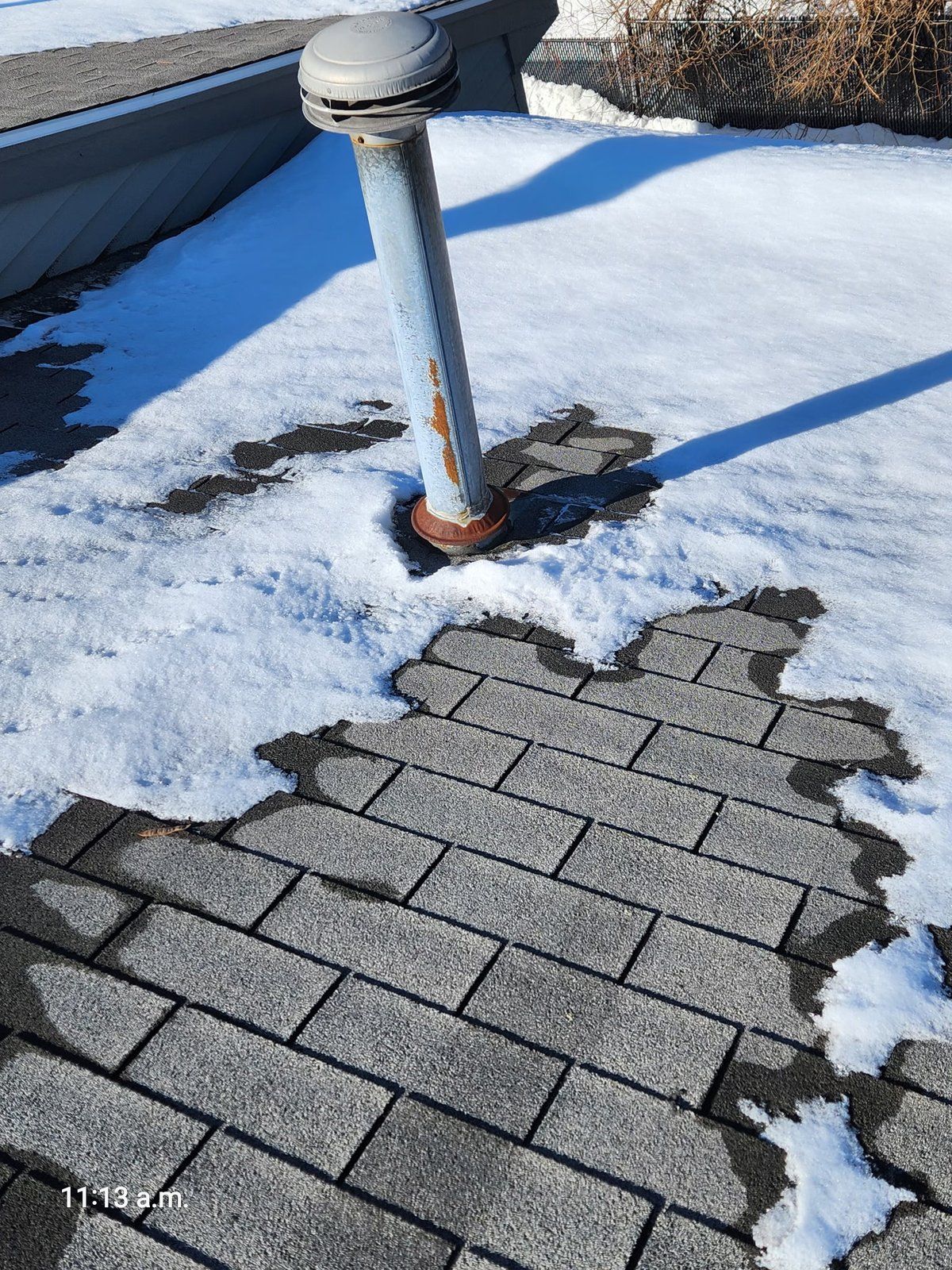 Root Cause
Why this matters for the insurance claim
Massachusetts insurance carriers require documentation of mitigation efforts. Steam removal photos timestamped during active work establish that the homeowner met their "duty to mitigate" obligation under MA policy language. Without this documentation, carriers can argue that water spread between the time damage was discovered and when mitigation began — and reduce or deny coverage on materials that got worse during that window.
Discovery: What the Drywall Was Hiding
Five days after ice dam removal, we returned to assess the interior. What looked like a small ceiling stain turned out to be the visible edge of a much larger problem.
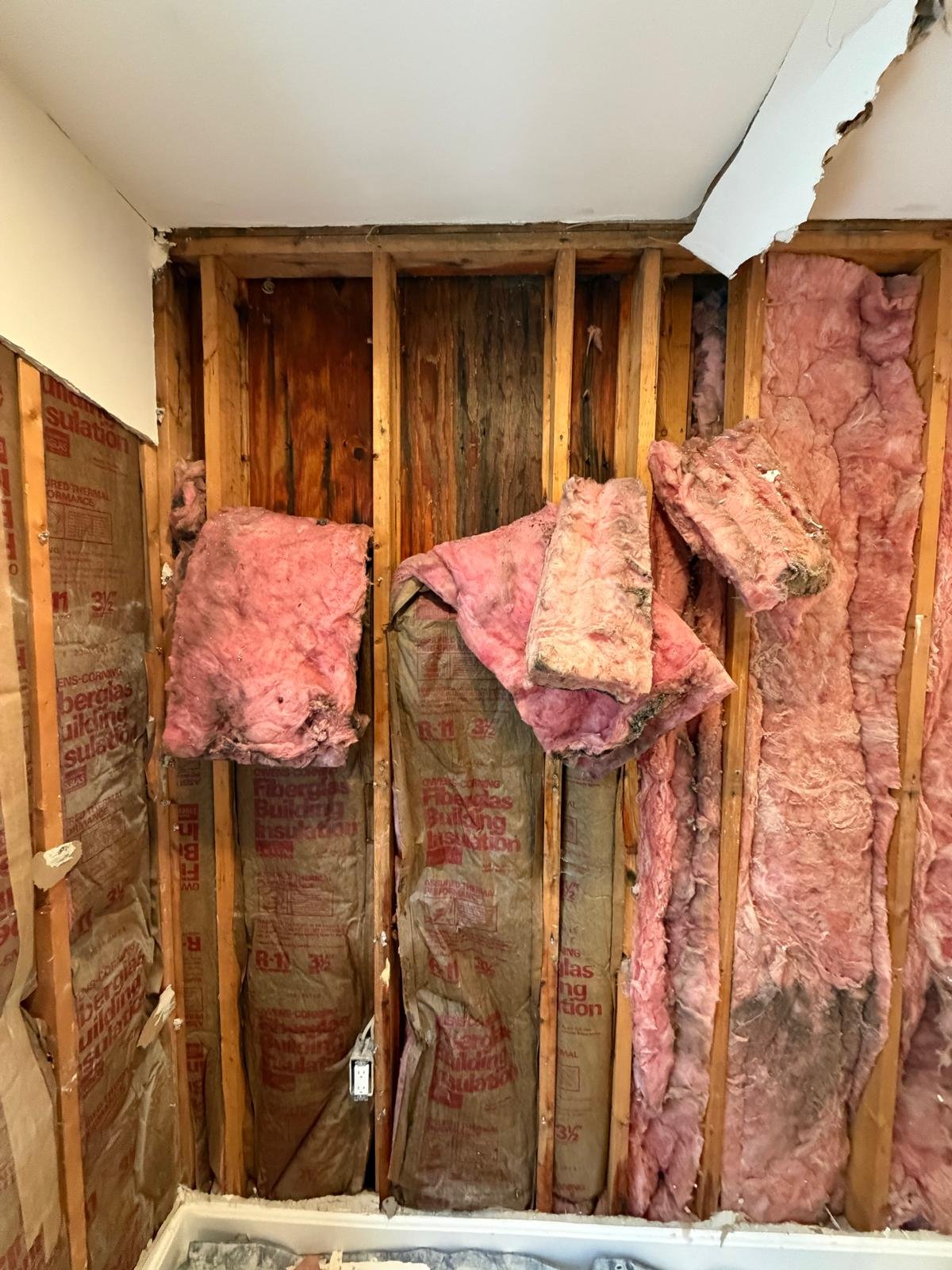
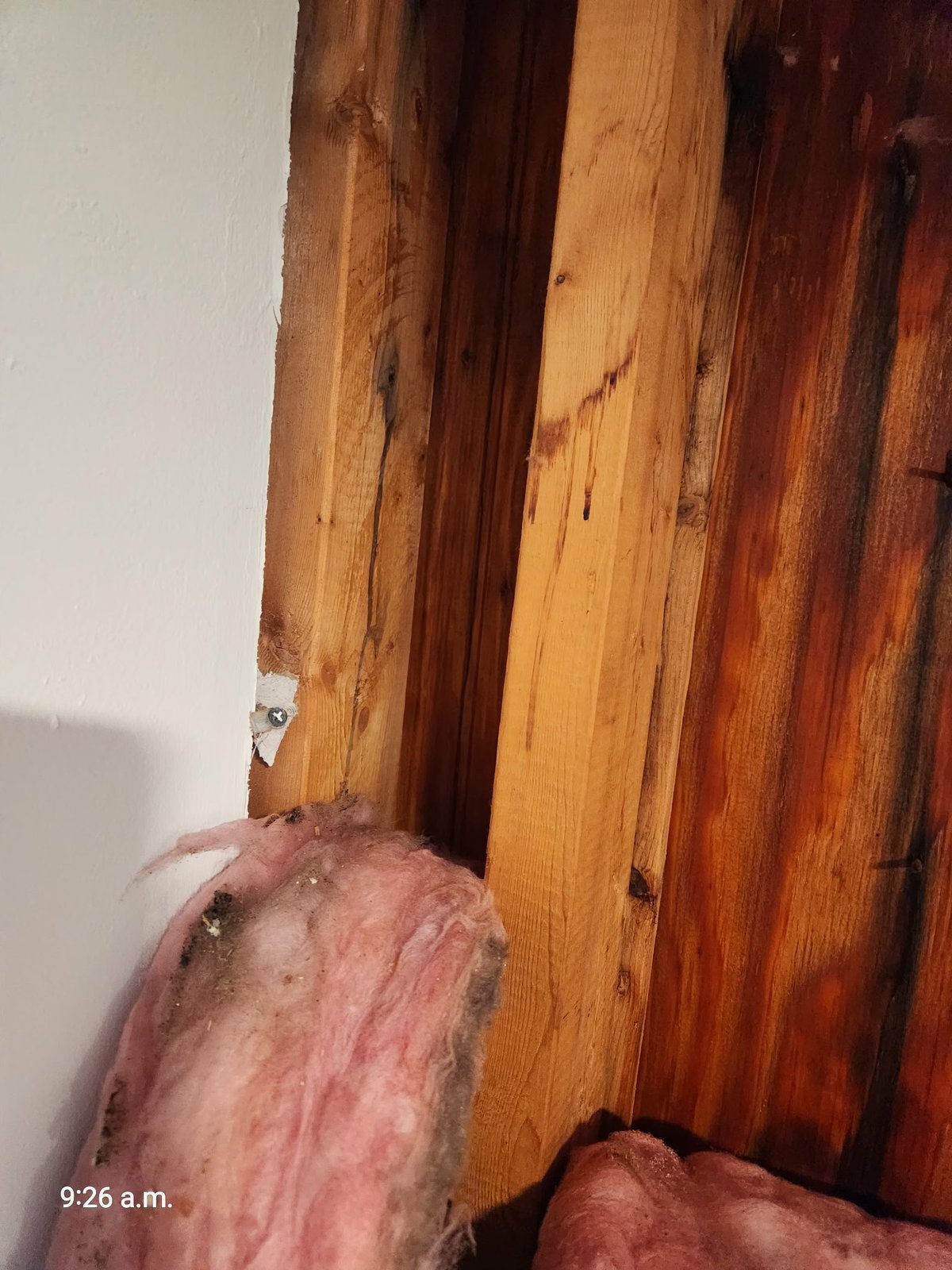
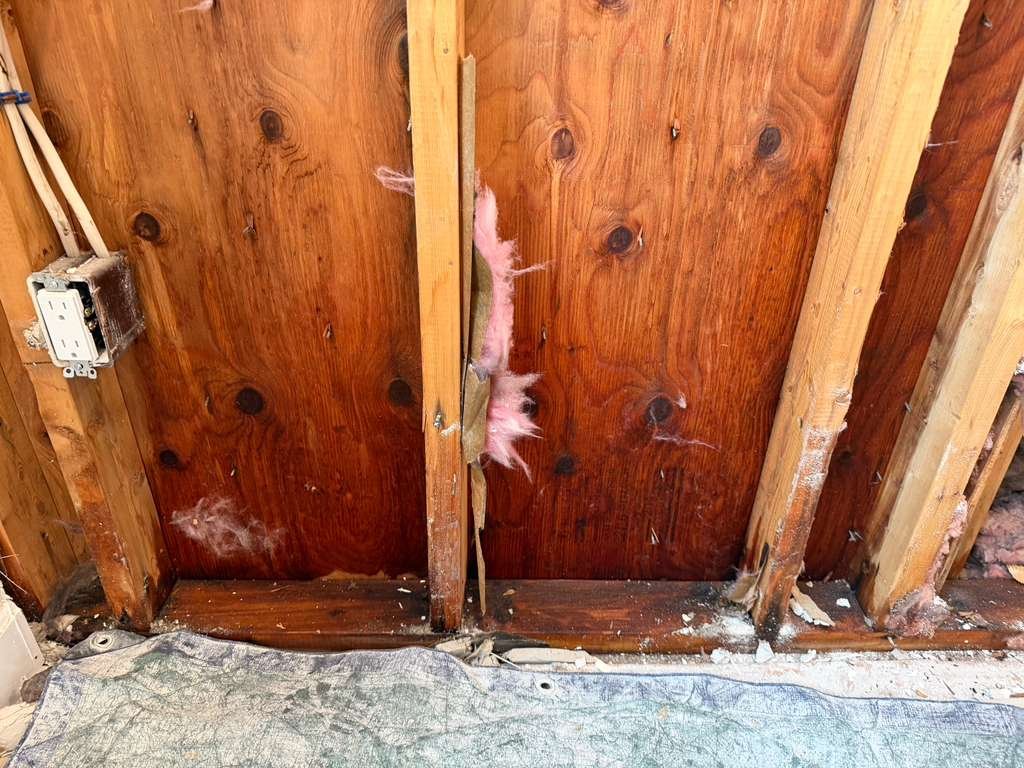
Mitigation, Drywall, and Build-Back
Carrier approved the full scope including supplements on February 23. The rebuild started the next day. 11 working days from approval to final walkthrough.
The rebuild in progress (March 2)
By early March, the rooms had been dried, new insulation installed (R-13 upgrade from R-11 original, covered under ordinance & law coverage), and new drywall hung. Mid-build photos show the seam taping and joint compound work, recessed lighting cans set, and floor protection in place during the dust phase.
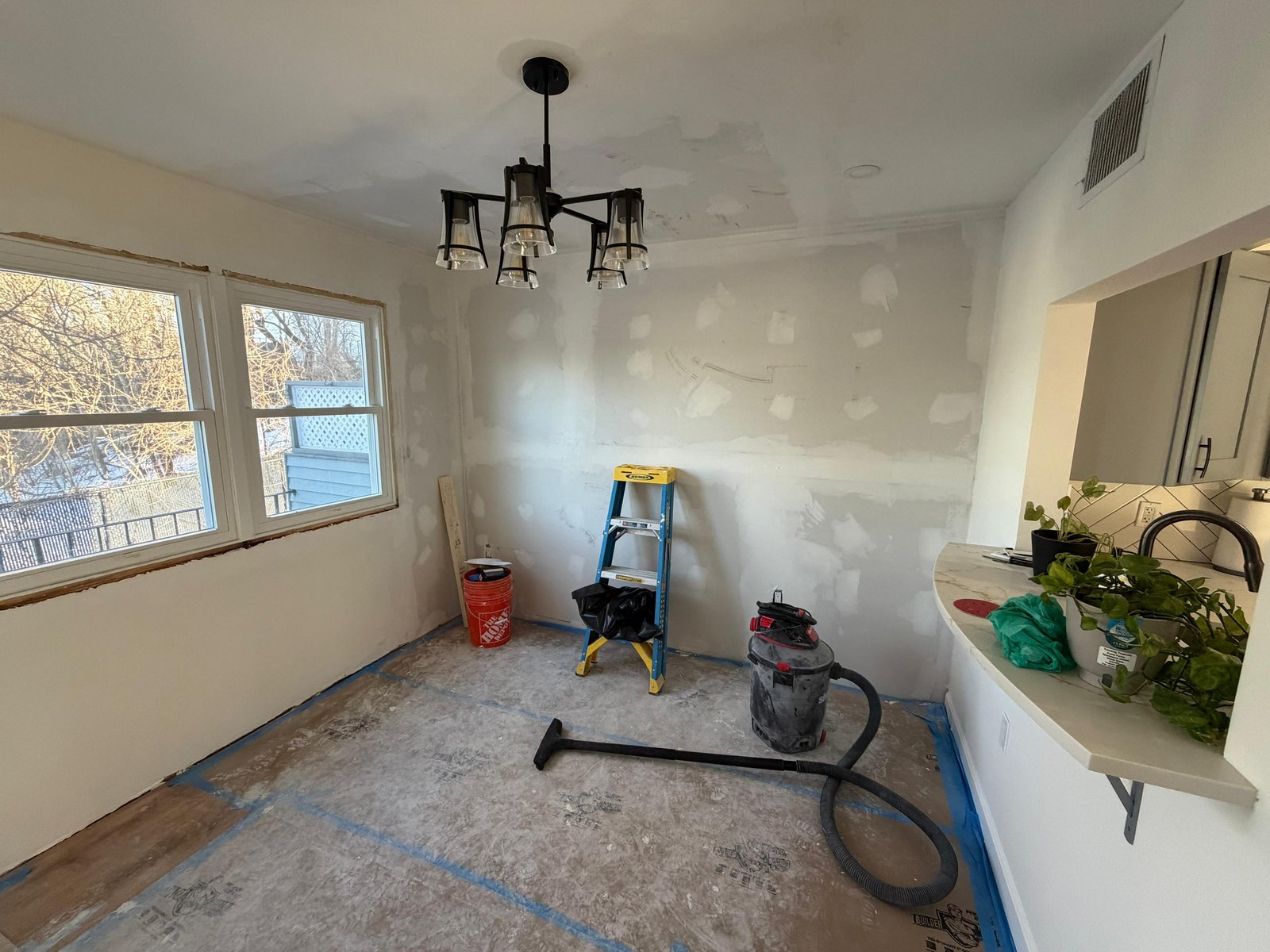
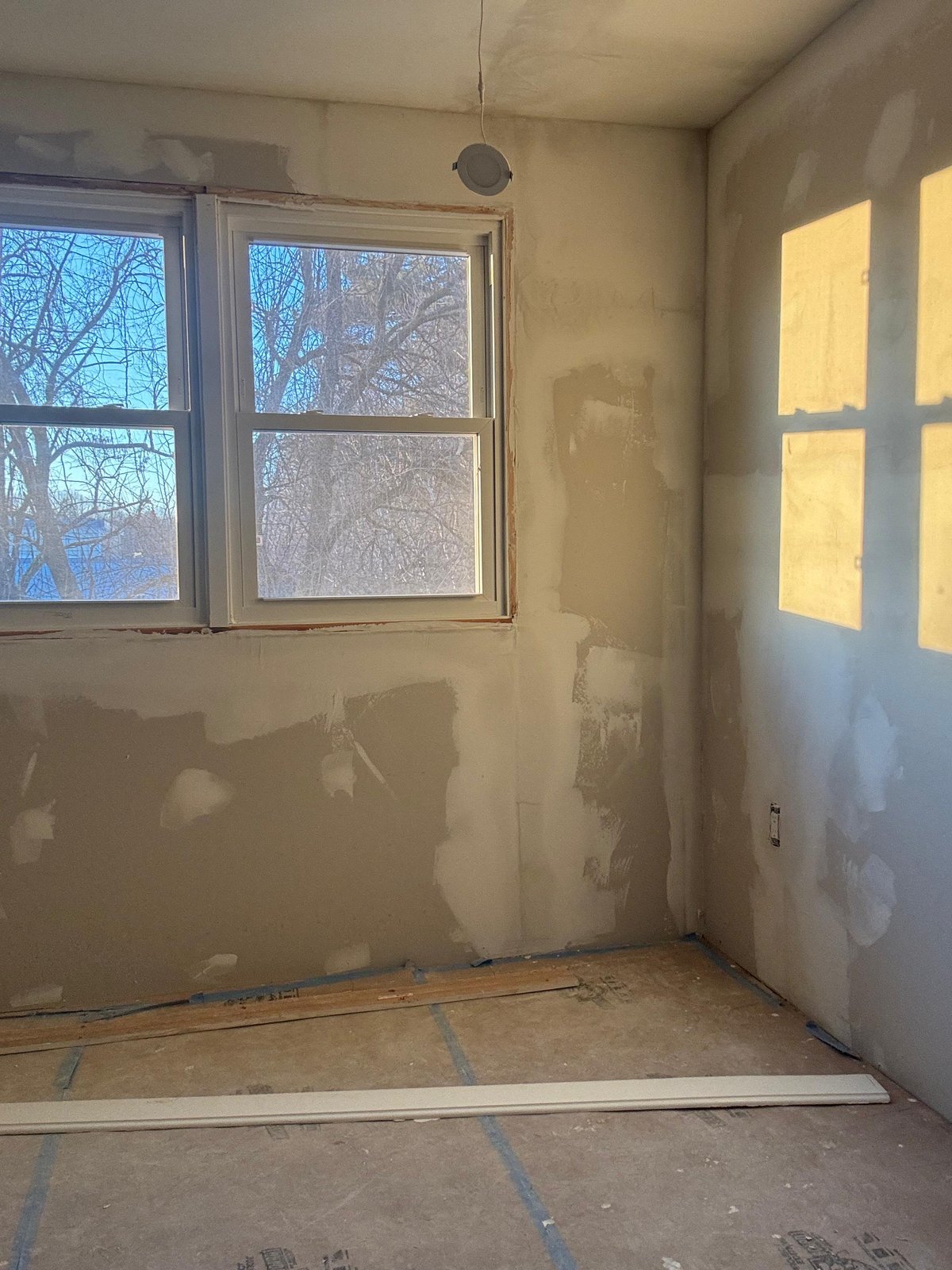
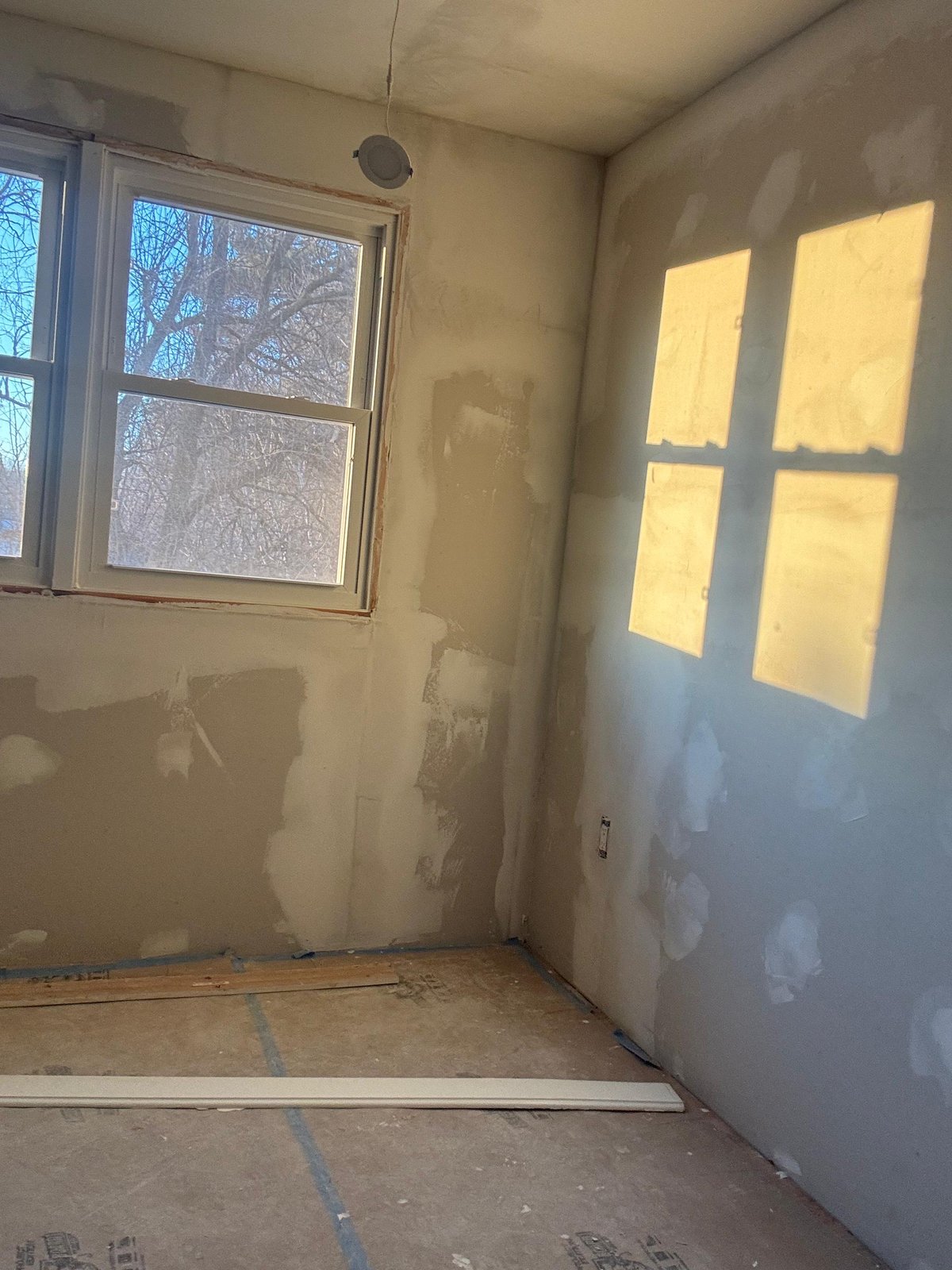
What the rebuild involved
Damaged materials removed: drywall, fiberglass insulation, baseboards. Framing dried using calibrated air movers and dehumidifiers — daily moisture readings logged through the drying period until materials reached IICRC S500 dryness standards. New R-13 insulation installed (code upgrade from R-11 original, covered under ordinance & law). New drywall hung, taped, mudded, sanded, primed, painted. Electrical inspected and upgraded to code. New luxury vinyl plank flooring installed throughout the affected rooms with proper underlayment. New baseboards, recessed lighting, paint touch-ups feathered across adjacent areas.
Single contractor, start to finish
One scope, one contract, one phone number for the homeowner. No mitigation company handing off to a separate restoration company. No restoration company handing off to a separate flooring contractor. Mitigation, demo, build-back, finishes — same team, same accountability. The homeowner could call one number for any question, any day.
Final Walkthrough: The Restored Home
Three weeks from ice dam removal to homeowner moving back in. Insurance claim closed cleanly with no outstanding items.
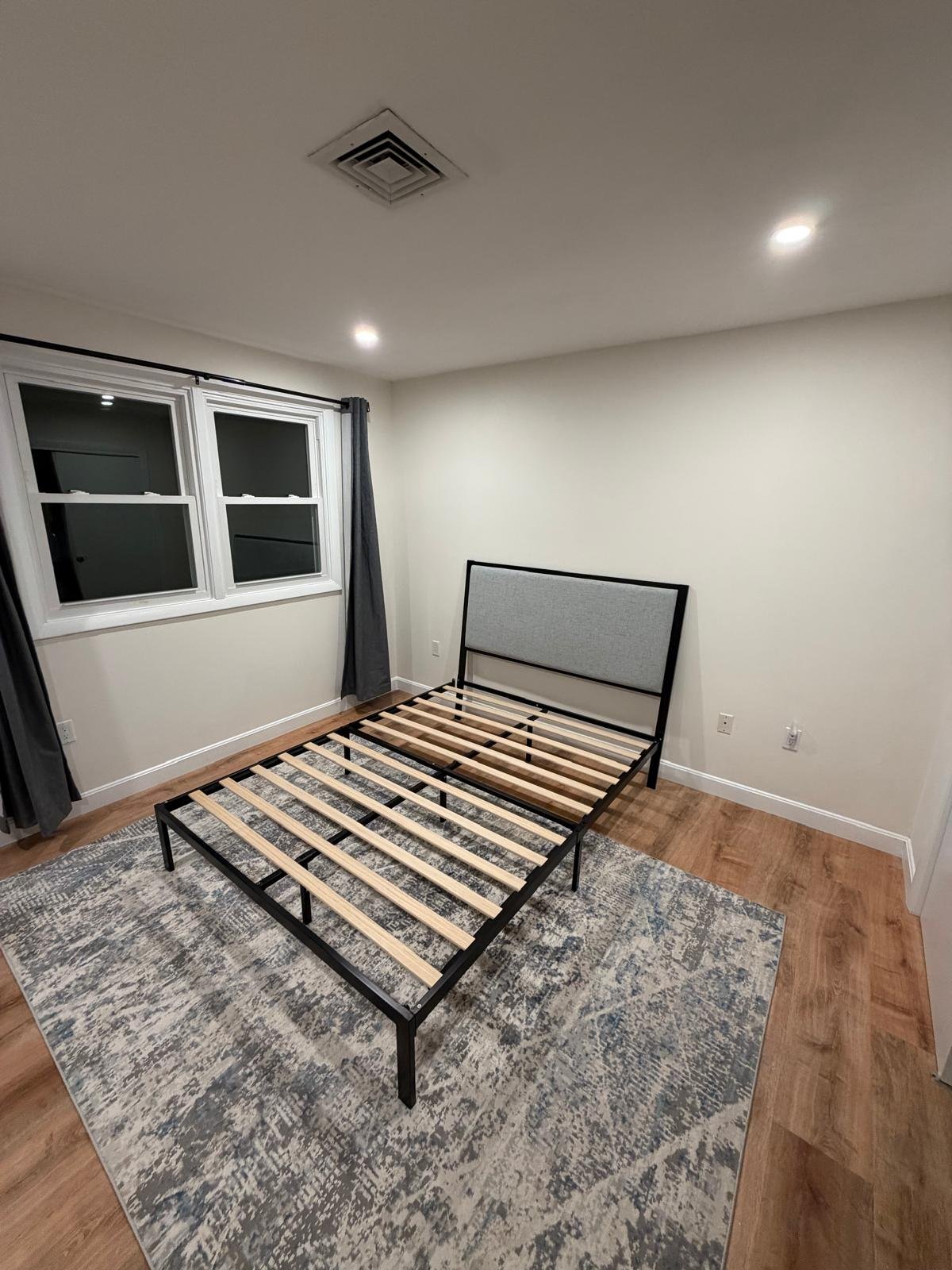
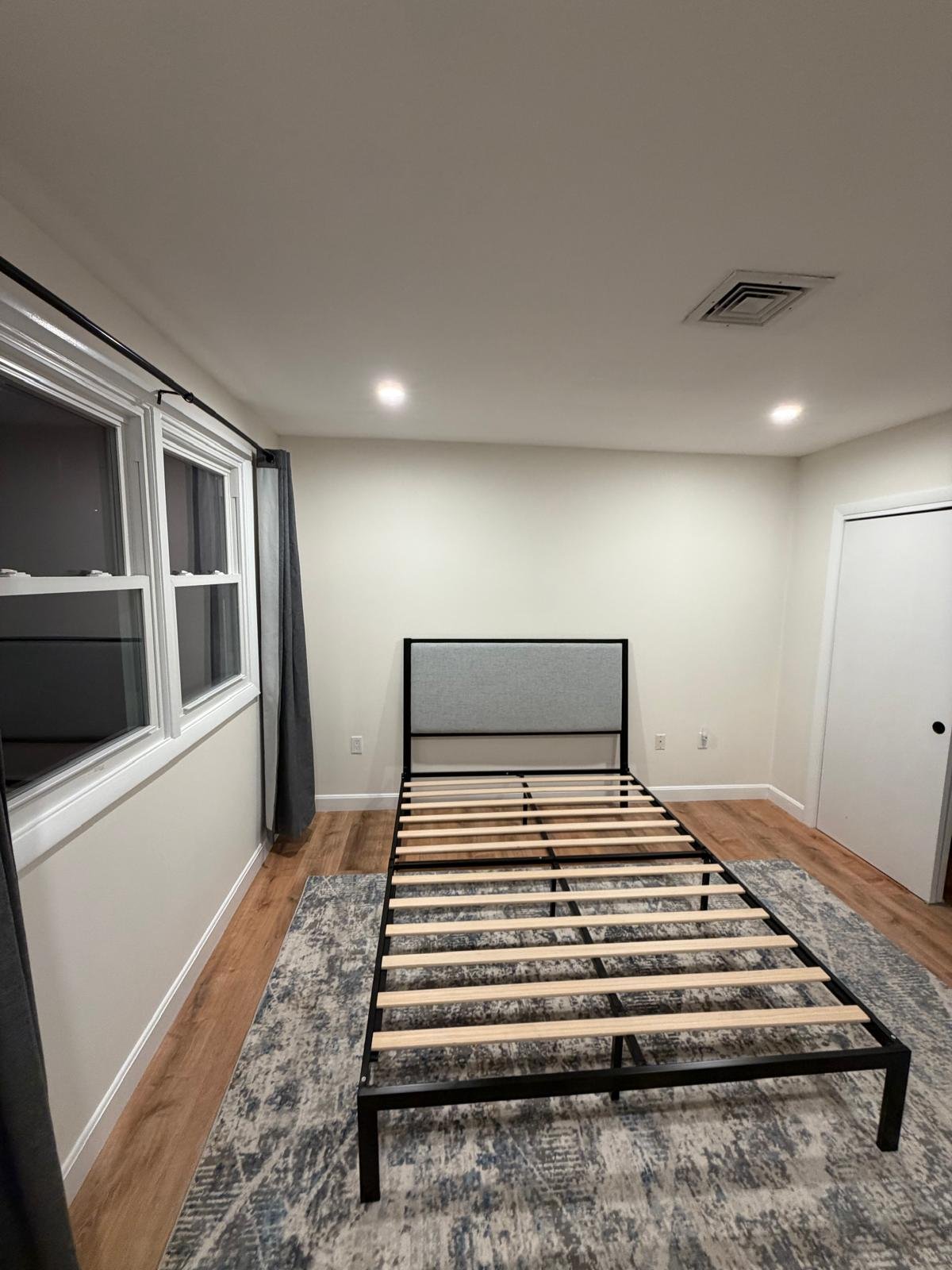
The room where it all started
Same window angle as the demo photos. Same wall. Now finished, painted, with new flooring throughout. The bedroom where the wall was opened up:
Before
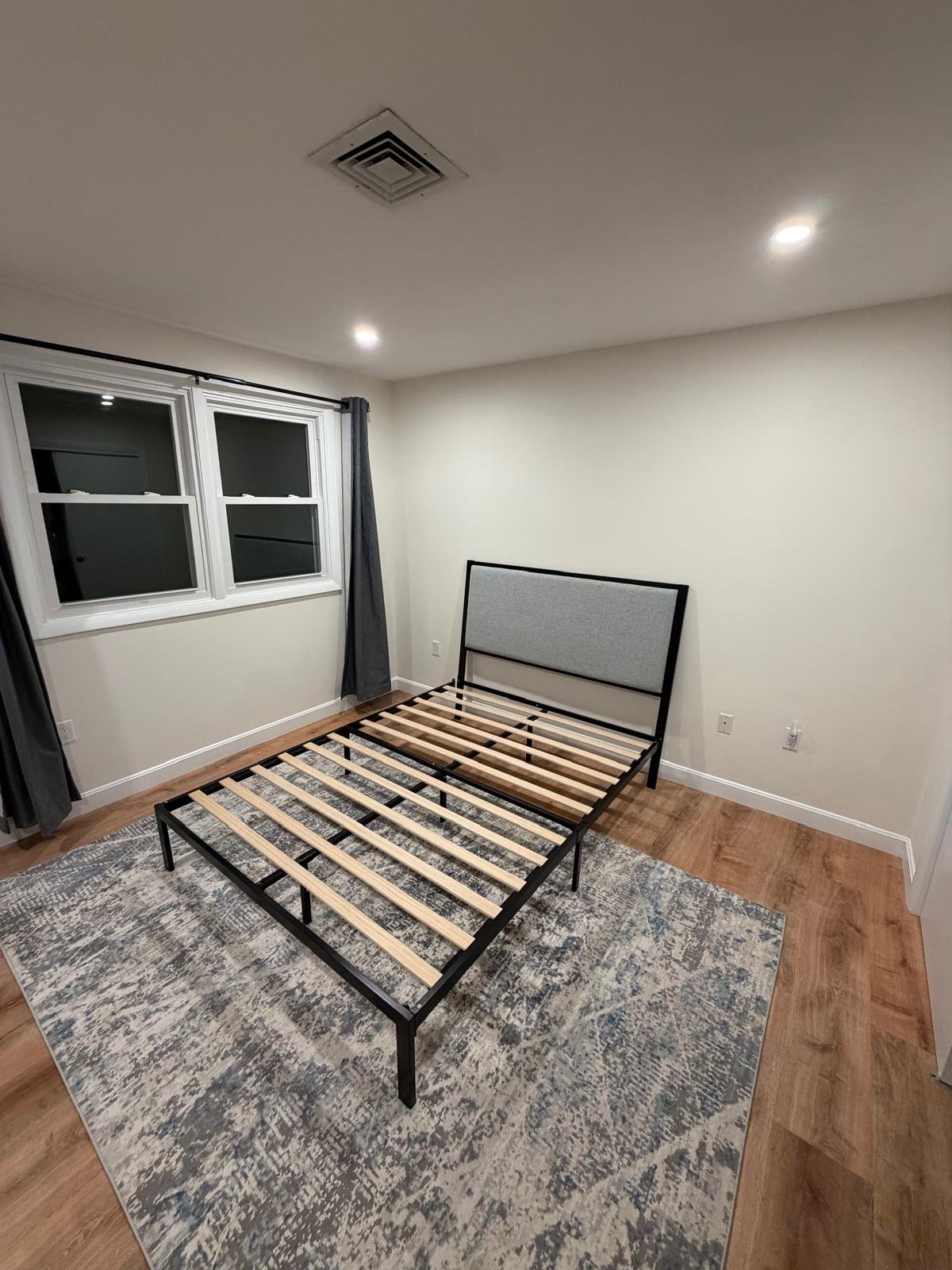 After
After
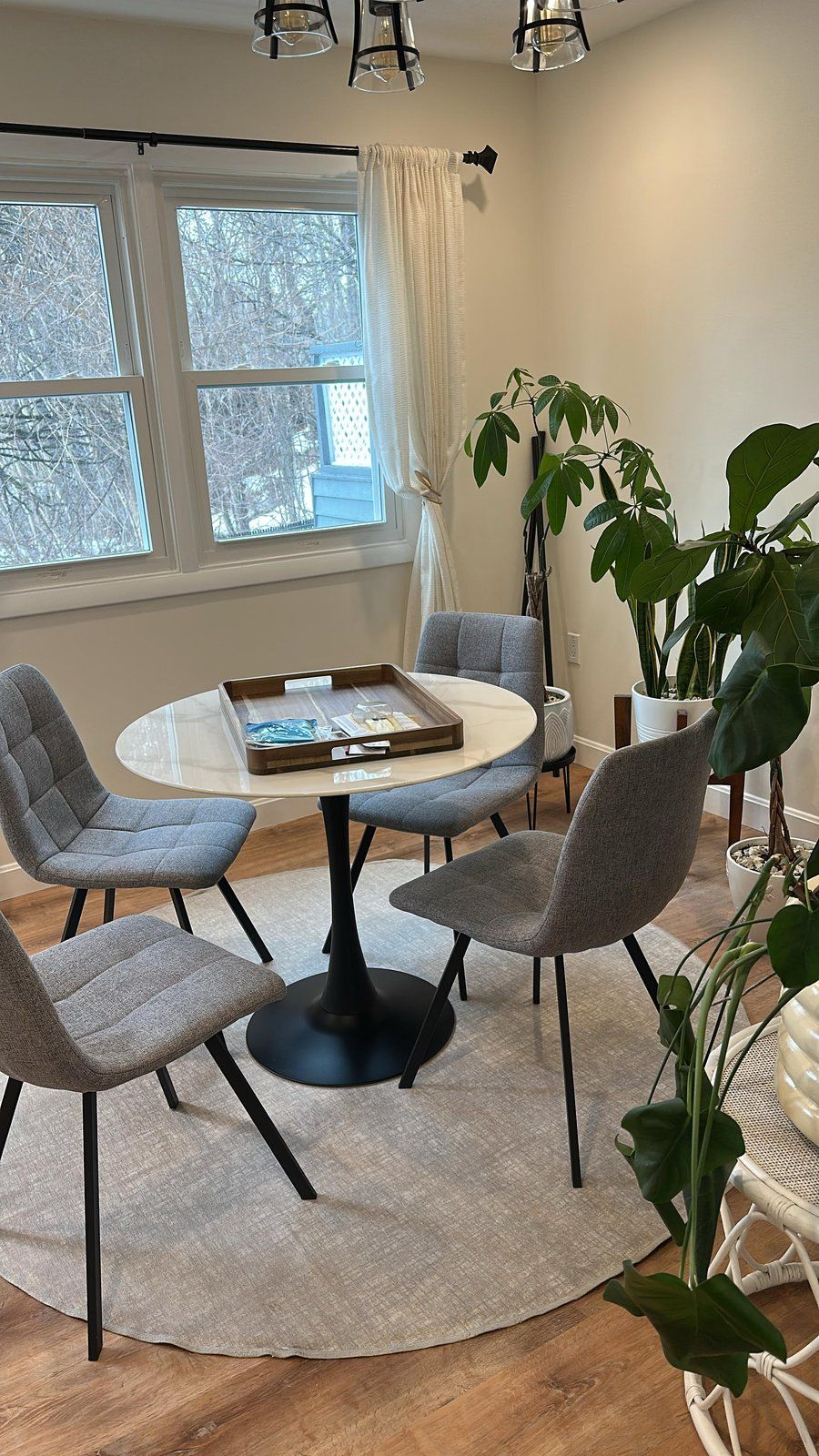
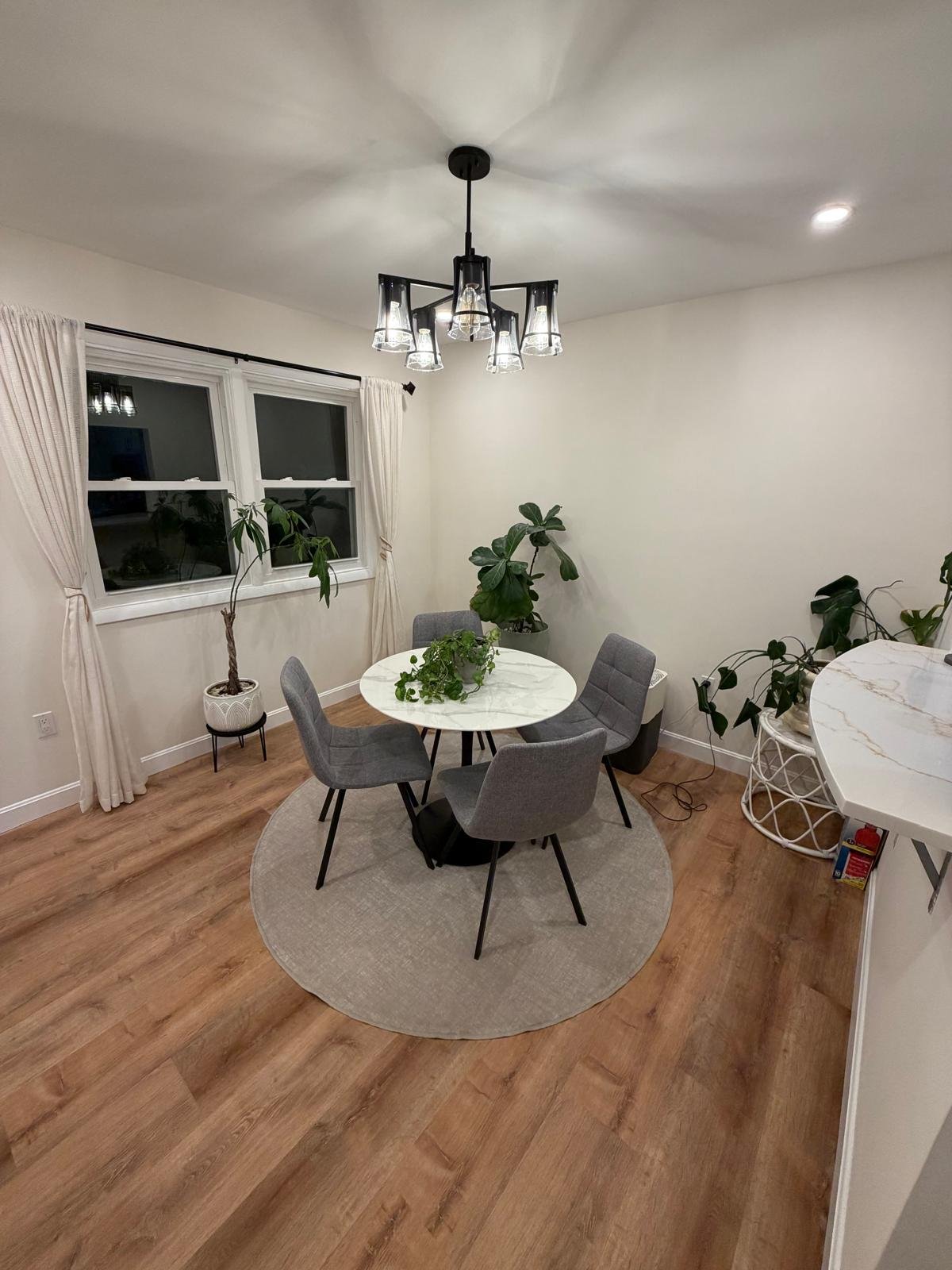
Adjacent room — connected restoration scope
Water damage doesn't always respect room boundaries. The dining area adjacent to the source room also required new flooring and paint. We handled it as part of the same scope — no additional contractor, no additional contract.
Project Timeline
Ice Dam Removal — Steam Method
Steam removal of accumulated ice dam on roof. Documented in progress and after completion. Roof intact, no damage to shingles or flashing. Mitigation duty satisfied.
Interior Inspection & Demo
Wall opened up to assess damage. Calibrated moisture readings logged. Photos taken of every affected material before removal. Mold growth on framing identified and documented as a claim supplement.
Mitigation & Drying
Air movers and dehumidifiers installed. Daily moisture readings logged. Drying continued until structural materials reached industry-standard moisture levels per IICRC S500.
Final Scope Approved (Including Supplements)
Carrier approved the full scope of work, including all supplements documented during demo (mold remediation, code-upgrade insulation, electrical box replacement). Authorization to proceed received.
Rebuild — Insulation, Drywall, Primer
Work started day after approval. New R-13 insulation installed (code upgrade from R-11 original). Drywall hung, taped, mudded, sanded. Recessed lighting cans set. Primer applied. Mid-build photos taken March 2 for project records.
Flooring & Trim
New luxury vinyl plank flooring installed throughout affected rooms. Baseboards installed and painted. Recessed lighting upgraded.
Final Walkthrough & Insurance Sign-Off
Walkthrough with homeowner. Insurance carrier signs off on completed scope. Move-in complete. 15 days from final scope approval (Feb 23) to fully restored, furnished home (Mar 6).
Key Takeaways for Boston Homeowners
1. The visible damage is the smallest part
Ceiling stains are usually the visible edge of a much larger problem. When you see staining, water has likely been traveling through wall cavities for days. Calling early — before things look worse — protects your insurance claim.
2. Documentation determines what your insurance pays
Photos taken before cleanup. Calibrated moisture readings. A scope written in Xactimate line items. These aren't optional — they're what determines whether your check arrives full or short.
3. One contractor is faster than two
The traditional restoration model uses a mitigation company, then a separate rebuild contractor. Each handoff creates documentation gaps and communication problems. We handle every phase — mitigation through final walkthrough — under one scope.
4. The root cause matters
This homeowner's water damage didn't start with a pipe. It started with patchy attic insulation that caused uneven snowmelt and ice dam formation. We documented the root cause so the carrier understood the full scope. Future preventive recommendations were included in the closeout.
15 days from approval to fully restored.
Most contractors quote 6-8 weeks for jobs like this. We do it faster because mitigation, demo, drywall, paint, and flooring are all handled in-house. If you're dealing with ice dam damage, water intrusion, or any active emergency — call now.