
Your Insurance Claim Is Worth More Than They're Telling You.
Most Boston homeowners lose money on their water damage insurance claim before they even know it's happening. SR Enterprises documents every job the way adjusters need it — calibrated moisture readings, Xactimate-aligned scopes, drying logs, and supplements when your carrier comes back short. One contractor. From the first call to the final check.
Most water damage claims in Massachusetts are underpaid by 20–40%.
By the time the adjuster's check arrives short, cleanup is done, materials are in the dumpster, and the window to supplement has closed.
The damage is irreversible — financially and physically. The reason is rarely about coverage. It's about documentation, scope, and timing. The contractor you call first determines what your insurance company pays out.
Why Insurance Claims Get Underpaid in Massachusetts
It's almost never about your coverage. It's about three things — and all three happen before the adjuster ever writes a check.
1. The contractor cleaned up before documenting
Photos taken after cleanup. No calibrated moisture readings on file. No daily drying logs. No itemized scope of damage written before demolition. Massachusetts insurance carriers are legally allowed to deny anything that isn't documented in writing — and they will. The check arrives short, and there's nothing to appeal because the evidence is gone.
2. The scope was written in plain English instead of Xactimate
Insurance carriers price every claim using Xactimate — line-item codes, regional Boston pricing, depreciation tables, and overhead-and-profit calculations. A contractor who writes "drywall repair: $3,500" in a Word document is asking the adjuster to do their job for them. The adjuster won't. They'll write their own scope, smaller than yours, and pay that. Your check arrives short because nobody fought for the line items.
3. Mitigation was delayed past the "reasonable steps" window
Massachusetts homeowners insurance policy language requires "reasonable steps to mitigate further damage." Wait too long, document poorly, and your carrier has the legal grounds to argue the spread was preventable. Materials that got worse while you were calling around? Reduced or denied coverage. The carrier will say you should have stopped the damage from spreading — and they're often right.
The SR Enterprises Insurance Process
Every restoration job follows the same documentation protocol. From the first call to the final check.
Documented First Visit
Calibrated moisture readings. Photos before cleanup. Affected materials inventoried in writing. Sketch of damage with measurements. Everything timestamped.
Xactimate Scope Submitted
Line-item scope written in the format adjusters work from. Boston regional pricing applied. Depreciation tables documented. Overhead and profit calculated where the policy allows.
Adjuster Communication
We talk to your adjuster directly — in Xactimate language. Field disputes resolved with photos, readings, and code references. You stay informed but don't have to negotiate.
Daily Drying Logs
Moisture meter readings logged daily during mitigation. Air mover and dehumidifier hours tracked. Documented evidence of compliance with industry standards (IICRC S500).
Supplement When Carrier Comes Short
If the carrier writes a scope smaller than reality, we submit a supplement with photos, code references, and documentation. Most underpayments get corrected here.
Rebuild Through Final Walkthrough
One contractor from mitigation through full rebuild. No handoffs. No second contractor charging again for the same scope. Final walkthrough with you — not just the adjuster.
Boston Homeowners Who Need This Most
If you're in any of these situations, the contractor you call first will determine what your insurance pays:
Active Water Damage Right Now
Burst pipe, leaking ceiling, flooded basement — call before cleanup. Documentation done right from hour one is worth thousands.
Already Filed a Claim
Adjuster has been out, scope is in process. We can review the carrier's scope before you sign anything.
Claim Was Underpaid
The check came in short. We can document what was missed and submit a supplement. Most underpayments are recoverable if caught before work starts.
Claim Was Denied
Some denials are correct. Many are documentation gaps that can be challenged with proper evidence. Worth a call.
First-Time Filer
Never filed a claim before. Don't know what to do. We walk you through what to call your insurance, what to say, and what NOT to say.
Insurance Adjuster Referrals
Adjusters refer us because we make their jobs easier — clean documentation, accurate scopes, no callbacks for missing items. More for adjusters →
Insurance Claim FAQ
What Documented Water Damage Actually Looks Like
A West Roxbury homeowner had water damage hidden behind drywall. Here's what the documentation looked like — captured during the first site visit, before any cleanup or demolition started. Every photo timestamped. Every reading calibrated. This is what gets insurance claims approved.
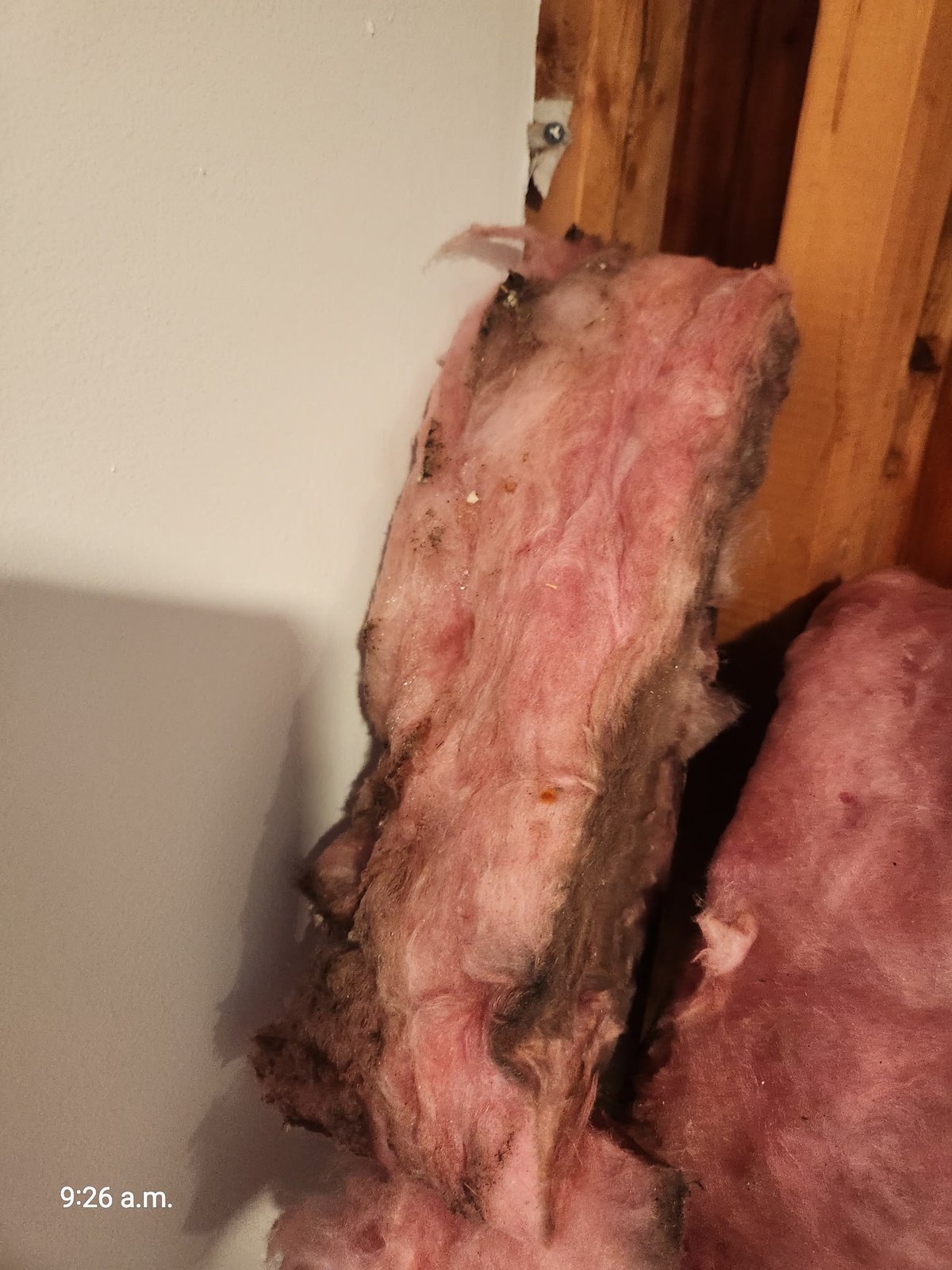
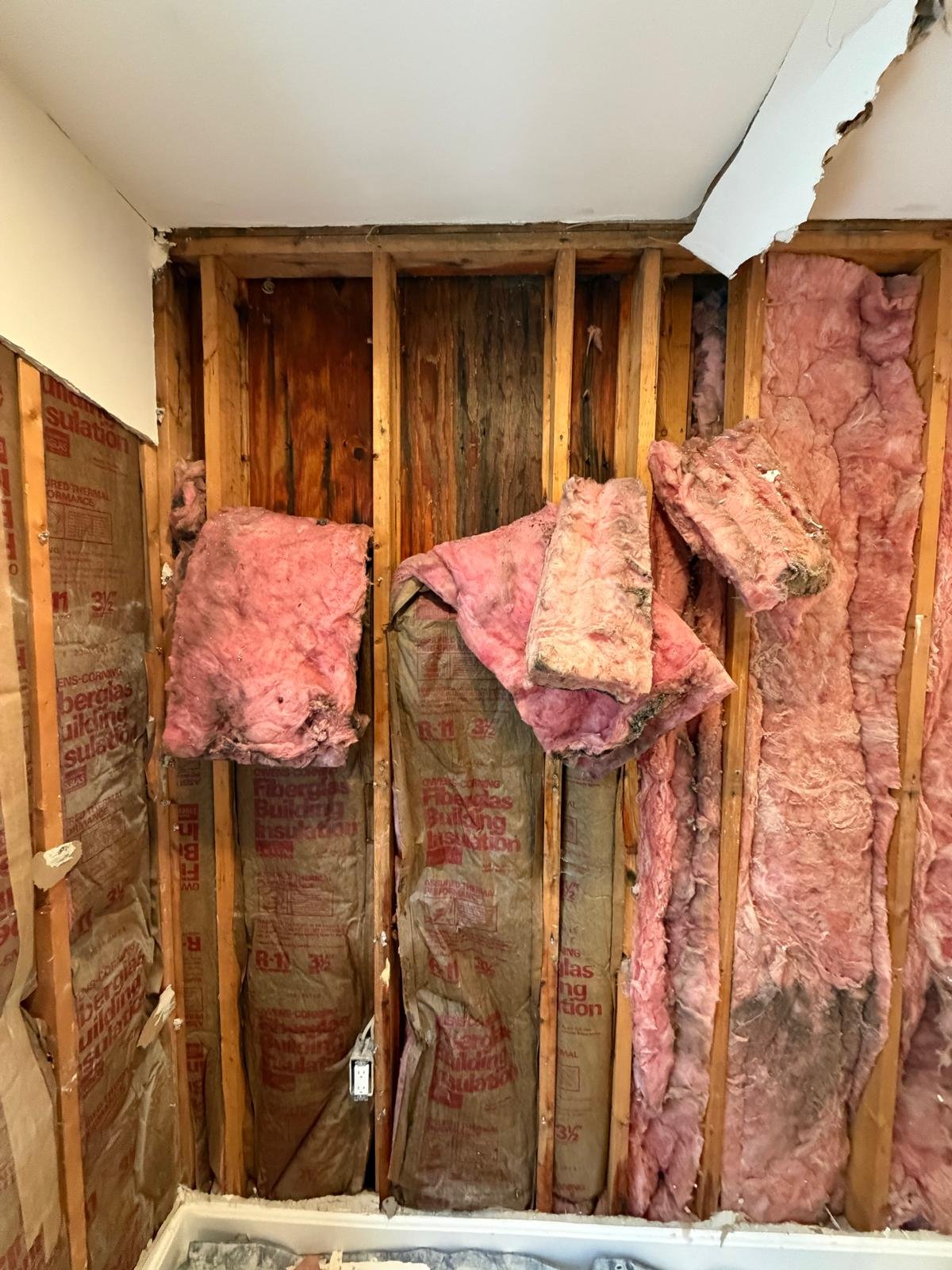
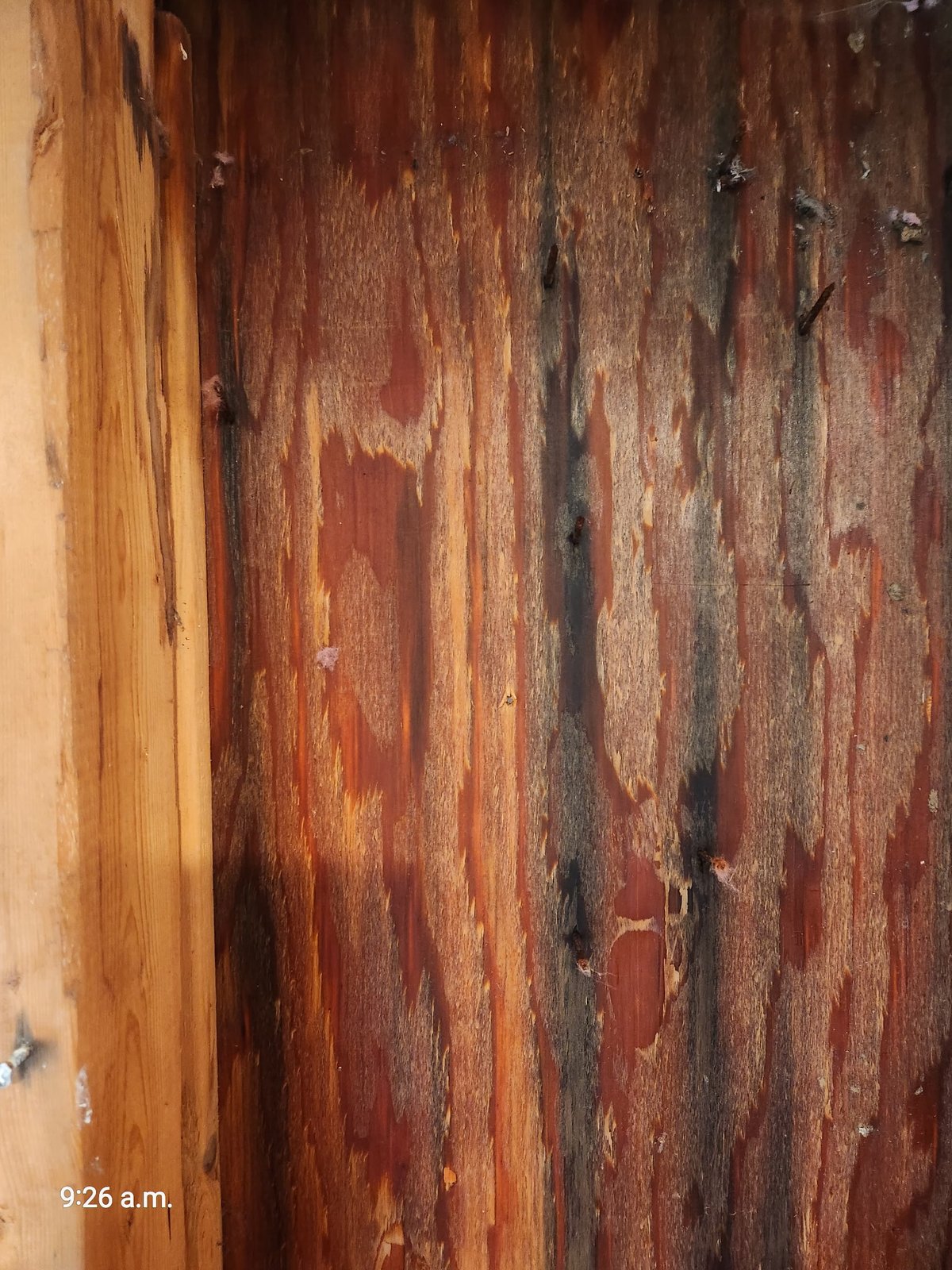
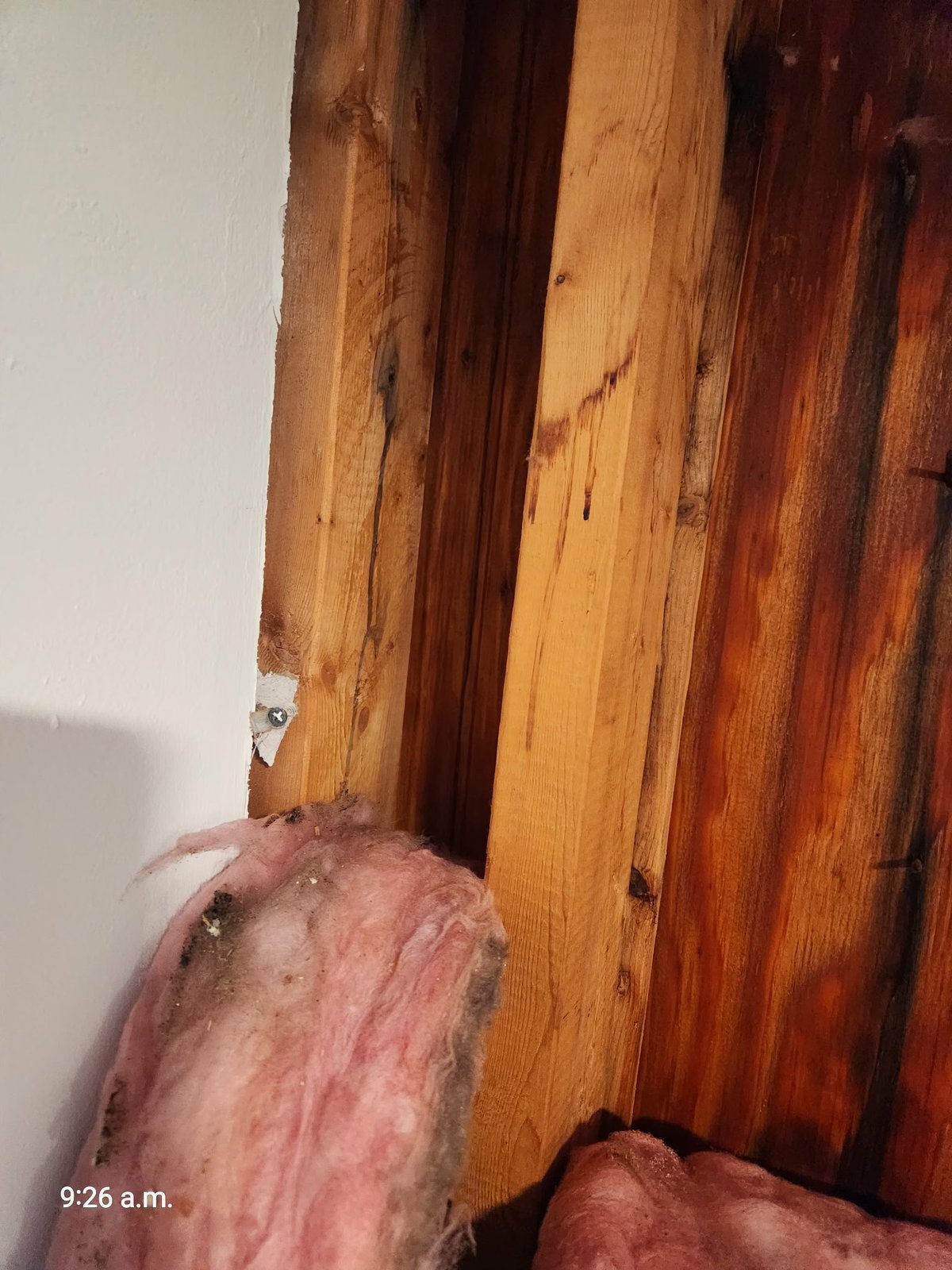
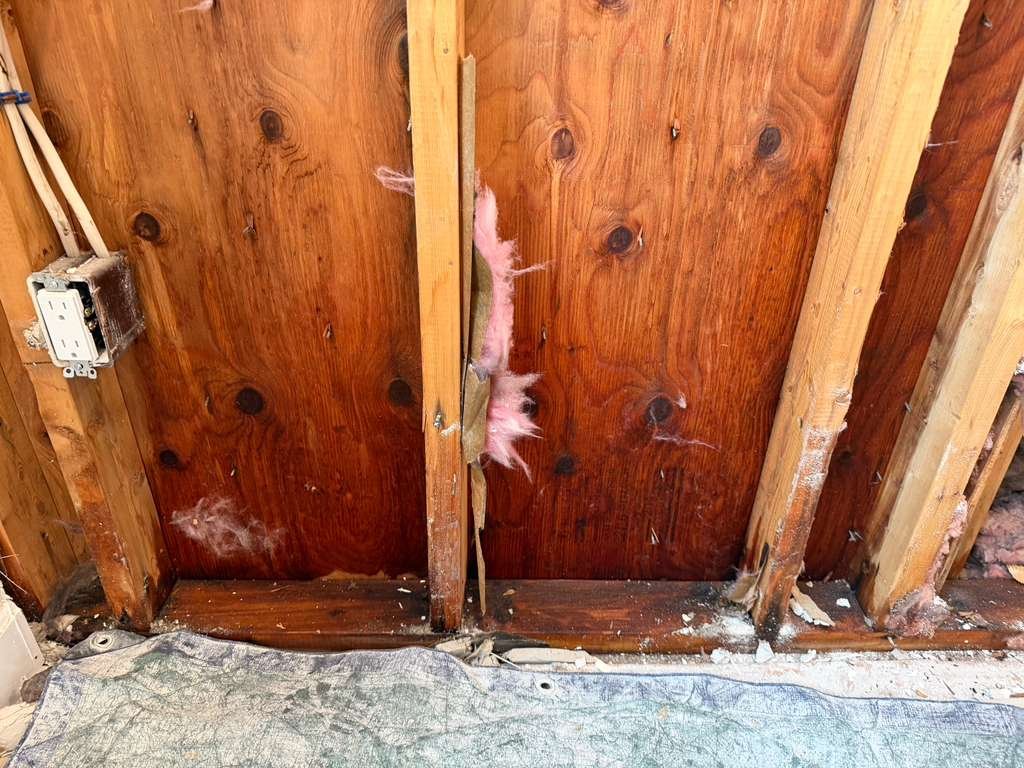
This is the standard. Every job we take gets documented this way — wide shots, moisture readings, material-by-material photos, code upgrade evidence, source identification. The documentation is what determines what the insurance company pays out.
West Roxbury, MA · February 2026 · See the full case study with after photos →
Massachusetts-Specific Insurance Realities
Massachusetts is a "duty to mitigate" state
Standard MA homeowners policy language requires "reasonable steps to mitigate further damage." This sounds simple but it's the most common reason claims get reduced. Carriers can argue that water damage that spread between hour 4 and hour 24 was your fault for not stopping it. Same-day mitigation isn't just good service — it's a legal protection of your claim.
Boston housing stock complicates claims
Triple-deckers, brick rowhouses, finished basements, and converted condo buildings all have specific claim issues that out-of-area contractors don't understand. Multi-unit damage means multiple parties, condo association policies vs. unit owner policies, and shared-wall complications that need careful documentation.
Most MA claims involve "code upgrade" coverage
Massachusetts building codes change frequently. When water damage forces opening a wall, code may require updated electrical, insulation, or plumbing — which most policies cover under "ordinance or law" coverage. Many contractors don't know this exists, and they leave money on the table that's rightfully yours.
Stop the Damage. Protect Your Claim.
One call gets a same-day inspection, documented from minute one, with the paperwork your insurance company needs to pay out fully. No charge for the inspection. No pressure if you decide to go elsewhere.